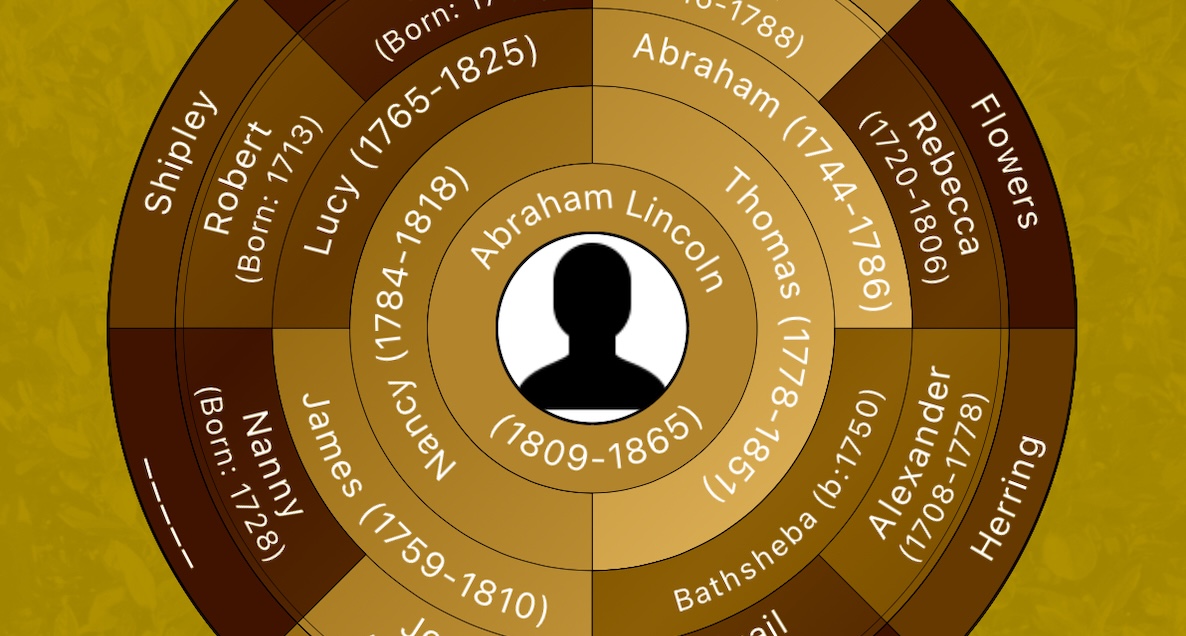
October 30th was a milestone date for my family history app, Forebears. That was the day I released Version 3.1.8 with fixes that made quite a few users very happy.
Here are a few things that this release achieved:
- It enhanced the GEDCOM import logic to overcome some rare errors
- It fixed a critical bug in the operation of the Wonder Wheel in Edit Mode
- It improved the layout of Group Overview charts and enhanced Dark Mode readability
These fixes and enhancements were long overdue, and I’m really sorry for the delay. In fact, I felt so bad that I released versions 3.1.9, 3.2, 3.2.1, and the latest 3.3 in a two-week period to make up for it!
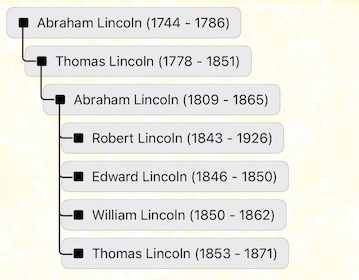
Classic Family Tree
Version 3.2 was a major release as it added the “Classic Family Tree” diagram to Forebears’ battery of visual displays. Bearing in mind that most genealogy apps on the App Store have “Family Tree” in their name, I was a little late to the table on this one! But I have my reasons and will explain in an upcoming post.
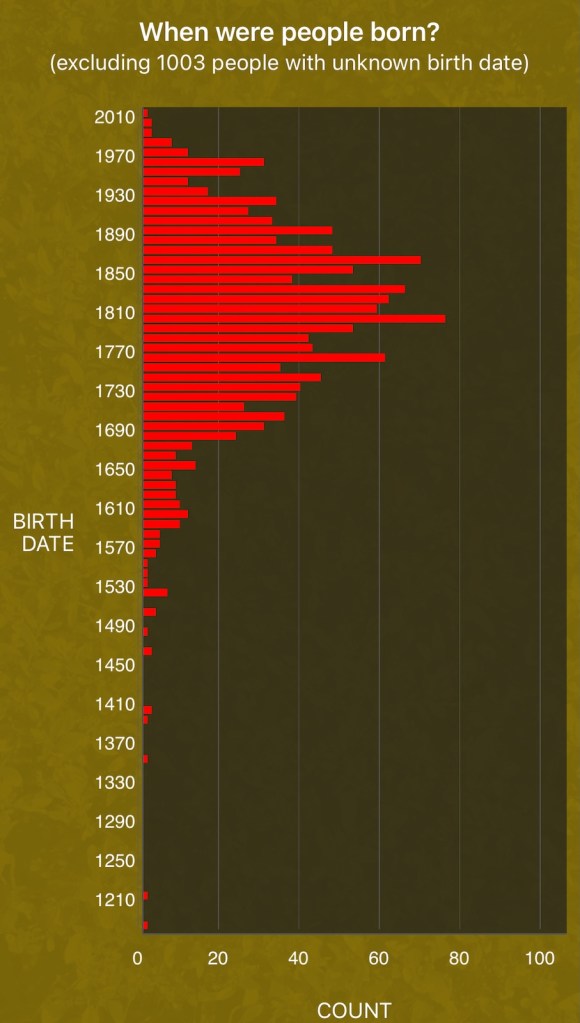
Publish to PDF
Version 3.3 was no less significant. For the first time, users could publish a permanent record of their whole family group as a PDF file and could print to paper if they wished. This feature is only the start of what’s to come. In upcoming versions, you can expect PDF print options for the Classic Tree and many other views.

What about Sources?
You may remember from an earlier Forebears post that I was preparing to add Source functionality into Forebears. I described an idea to let family historians build their projects from the ground up from source information. I also explained some of the challenges, including the very wide variety of potential source materials and the way these combine to create multilayered evidence supporting your family history.
In the summer of this year, I built a small proof of concept that added a few common sources to Forebears. It’s far from ready to be released but taught me a lot.
Forebears is a Mobile-First App
Probably the most difficult challenge, and one still to be resolved, is how to design screens in a small mobile format where users can describe sources and associate facts gleaned across sources. This is important to me and to my app’s many users. Original sources are found in church graveyards and vestries, in conversations with aged relatives, in fly-leaves of family Bibles, in newspaper cuttings—the list goes on. These are places where Forebears on iPhone and iPad is ideal to capture images, record time and place and other details, and to make the many associations with facts about the family that are already known.
Preserving each Piece of the Jigsaw
I have come to think of source information as separate pieces of a jigsaw. The pieces overlap (census records show named children, and so do birth records), and the pieces may in reality belong to different jigsaw puzzles (same names but cousins). For this reason, my vision is that each source becomes a micro-tree that can be combined or separated from all the other micro-trees in your project.
I find myself rather unimpressed with the idea of capturing source references in GEDCOM files when so much of the source information is lost in the generation of the single file. Instead, my plan would be to store each separate micro-tree and generate a GEDCOM package with all these many micro-trees together with the (tentative) assembly instructions to pull it all together in a ‘consolidation GEDCOM file’.
My plan then is to release source enhancements to Forebears incrementally and to engage with you through this blog along the way. Would that work for you? What are your thoughts?
 Opsisoft Apps